
Key Takeaways
Designing a bathroom backsplash is about finding the perfect mix of utility and personal style for your home.
- Protect your walls from water damage and daily wear with durable materials.
- Choose between various heights to suit your vanity and overall aesthetic goals.
- Consider how textures and metallic accents can modernize a dated bathroom space.
- Prioritize professional installation to ensure a long-lasting and seamless finish.
- Implement a regular cleaning routine to keep your surfaces looking pristine for years.
Choosing the perfect material for your bathroom backsplash
Selecting the right material for your vanity wall is the first step toward creating a space that feels both polished and functional. Homeowners often look for surfaces that withstand the daily rigors of a busy morning routine while reflecting their design sensibilities. Whether you want to mirror the elegance of your main bath or add a touch of personality to a powder room, the options are plentiful.
Exploring natural stone and marble options
Natural stone offers an organic beauty that truly elevates a bathroom. When using luxurious materials like marble, you introduce unique veining that creates a distinct focal point. At I Love My Bathroom!, we often recommend marble for its unmatched ability to make a small vanity area feel like a high-end spa. It remains a classic choice for those who value authentic character over mass-produced finishes.
Benefits of high-quality porcelain tiles
High-quality porcelain tiles provide an excellent balance of durability and versatility. They are incredibly resistant to moisture and staining, making them an ideal choice for the wet environment near your sink. If you want to achieve a specific look, such as a wood-grain or natural stone appearance without the high maintenance, porcelain is a top-tier performer in any bathroom backsplash project.
Integrating mosaic designs for visual impact
For a truly unique touch, artisan mosaic patterns can serve as the jewelry of your bathroom. These small-format tiles allow for complex detail that draws the eye and highlights the vanity. When you incorporate intricate mosaic designs, you add depth and a sense of luxury that feels specifically tailored to your hall bathroom renovation plans.
Weighing durability versus aesthetic appeal
It is essential to weigh how much traffic your vanity area receives against the effort you are willing to spend on upkeep. 81 bathroom backsplash ideas exist for a reason; each material has a trade-off. While porous natural stones require periodic sealing, a durable porcelain or ceramic choice may be better for a family bathroom where constant scrubbing is expected.
Determining the ideal backsplash height
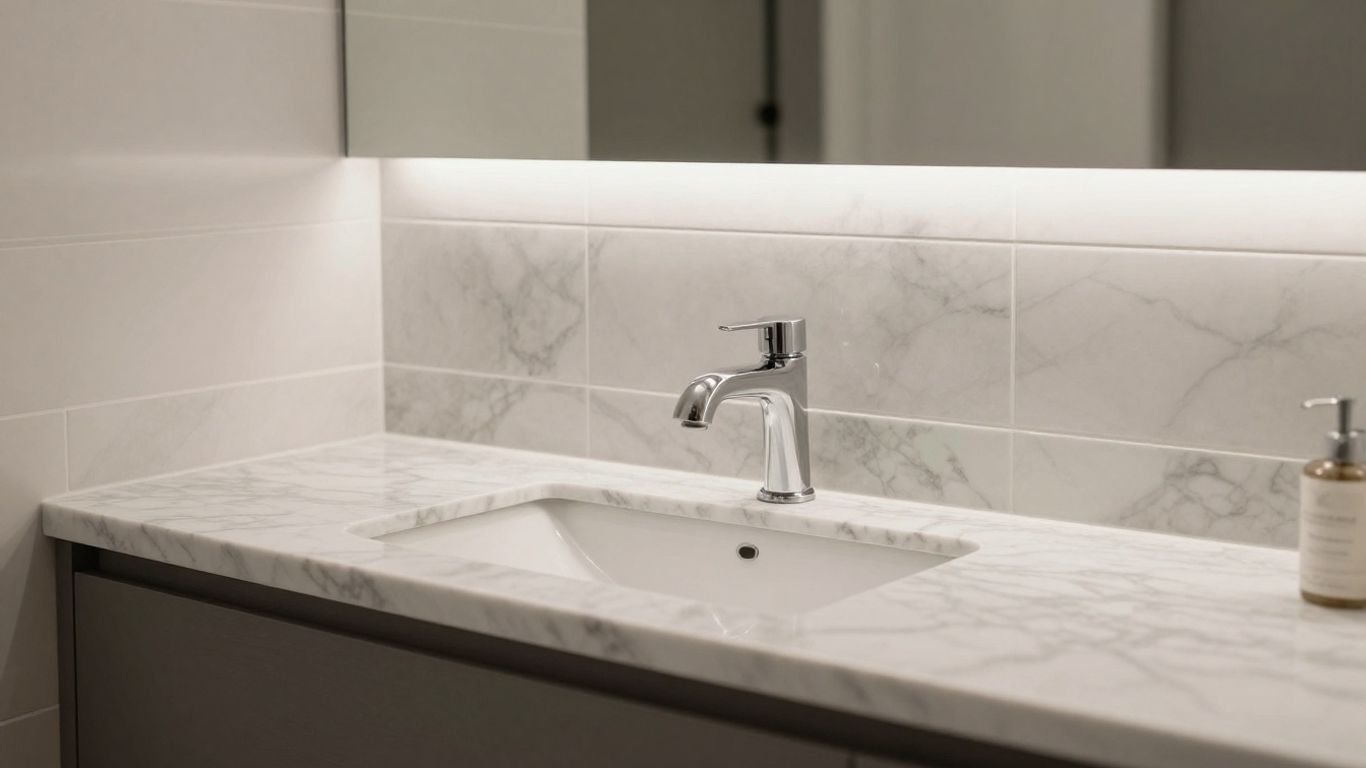
Choosing the height for your vanity backsplash depends largely on function and aesthetics. A standard four-inch splash is common, but extending the material upwards provides better security against moisture. Deciding on the ideal bathroom backsplash height should be a thoughtful step in your planning process.
Protecting vanity surfaces from water damage
Water splashes are an inevitable part of using any sink area. Without a proper barrier, moisture can seep into drywall, leading to mold or swelling over time. A taller backsplash creates a comprehensive shield that keeps your walls dry and significantly reduces the amount of time you spend cleaning after brushing your teeth or washing your face.
Creating a cohesive look with mirrors
Integrating the backsplash with your vanity mirror builds a clean, intentional design. Running the tile up to meet the bottom of the mirror creates an unbroken visual line that makes the space appear larger. This technique works best when you select essential hardware and stylish accessories that coordinate with the tile choice.
Deciding between partial and full-wall coverage
While a short splash is practical, full-wall coverage behind the vanity provides an expansive, custom feel. You might opt for partial coverage if you want to emphasize a painted or wallpapered focal wall above the splash. However, for maximum protection in high-use areas, full-wall tiling is the gold standard.
Accounting for plumbing and electrical constraints
Before finalizing your height, you must map out the existing plumbing and electrical outlets. You do not want a beautiful feature wall to be interrupted by improperly placed switches. Engaging a professional early on ensures that all fixtures are moved or mounted to complement your new tile configuration perfectly.
Modern design trends for vanity backsplashes
Modern bathrooms are moving away from sterile, one-note designs in favor of warmth and texture. By layering different elements, you can turn a simple vanity into a statement piece. It is a great way to discover modern bathroom design trends that bring character into your daily routine.
Combining contrasting textures and colors
You no longer need to match your backsplash perfectly to the wall paint. Mixing contrasting textures, such as matte tiles against a glossy countertop, adds a dynamic layer to the room. When you work with pros like Jay Gravatt, you can explore combinations that feel curated.
Incorporating metallic accents for luxury
Adding metallic elements through trim or decorative inserts can change the whole vibe of your vanity wall. The following table illustrates popular combinations:
| Material | Finish | Best For |
|---|---|---|
| Brushed Brass | Warm & Moody | Natural Stone |
| Matte Black | Modern & Sleek | Porcelain Tile |
| Polished Nickel | Classic & Bright | Marble Accents |
Using these accents allows you to tie the backsplash into your existing light fixtures and hardware seamlessly.
Using geometric layouts to frame the vanity
Geometric tile patterns continue to grow in popularity for their ability to frame specific zones. Using chevron or hexagon patterns adds a sense of structure to the area, acting as a natural frame for the vanity. It gives the room a custom, high-end design appeal.
Refreshing outdated styles with contemporary patterns
If you are staring at a dated builder-grade bathroom, a new backsplash tile installation is the most cost-effective way to update the space. Modern patterns can dramatically shift the mood from tired to invigorated without needing a full-scale demolition.
Installation best practices for a seamless finish
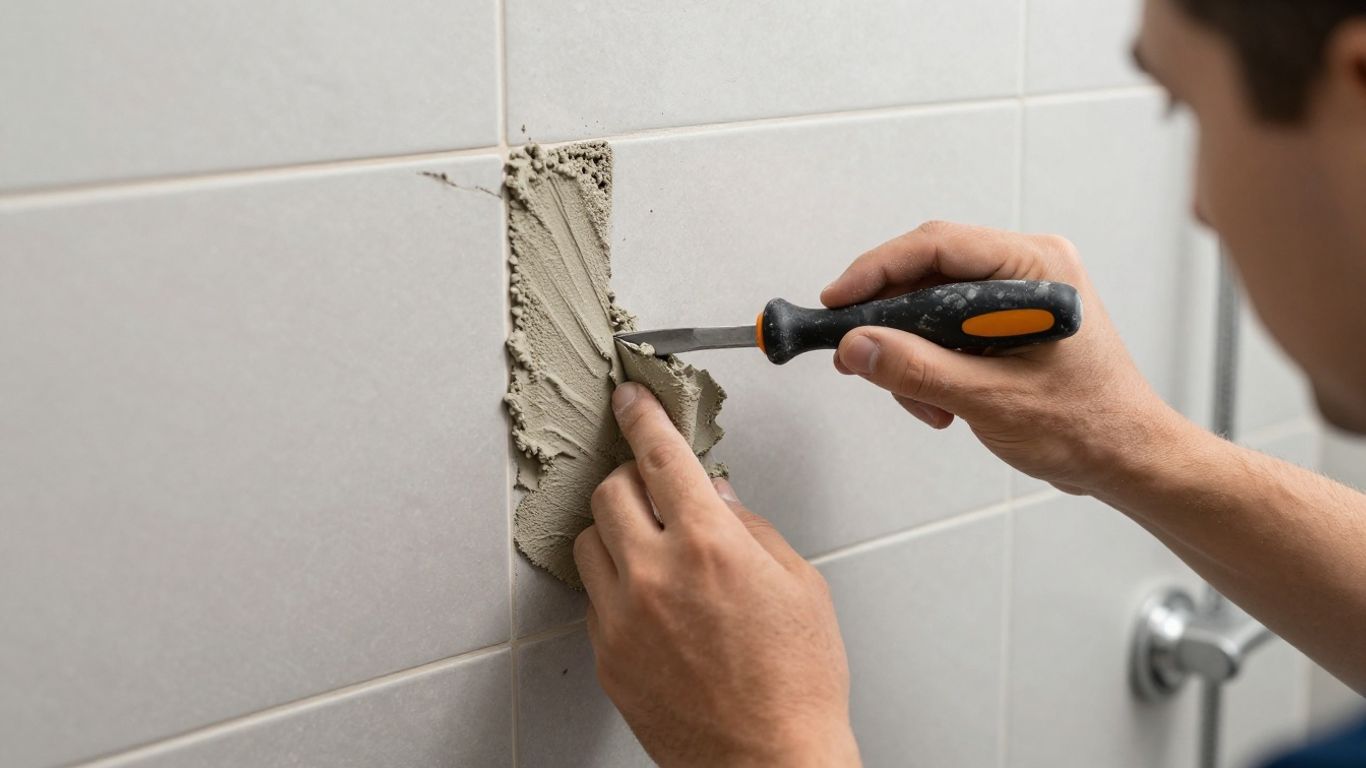
A beautiful design can be ruined by shoddy installation. When you take the time to prepare the substrate, you ensure that your investment will stand the test of time. Working with experts who know the nuances of wet-area construction is vital for a flawless and long-lasting result.
Proper surface preparation for wet areas
Before thin-set ever touches the wall, the surface must be leveled and moisture-proofed. If you skip this, even the most expensive tiles can fail due to shifting or water ingress. Proper prep is the unsung hero of a great backsplash.
Selecting water-resistant mortar and grout
Using moisture-resistant mortar is mandatory for longevity. Choosing a high-performance grout that resists staining makes maintenance much easier later on. You want to make sure your materials are specifically rated for bathroom environments to prevent the common issue of discoloration.
Ensuring precise spacing and alignment
Consistency defines professional craftsmanship. Even a small error in alignment can become glaringly obvious across a large backsplash. Utilize quality spacers to keep your lines clean, as exact spacing ensures the final look is professional rather than amateur.
Addressing edge finishing and transition trim
Finishing the edges of your tile is the sign of a true expert. Here are a few ways to ensure a clean transition:
- Use bullnose tiles to create a rounded, soft edge against the wall.
- Install metal Schluter strips for a sharp, modern transition between stone and drywall.
- Apply high-quality color-matched silicone caulking at the corner joints.
- Evaluate the thickness of the splash to select the right profile for your trim.
These details define the difference between a project that looks unfinished and one that screams quality.
Maintenance and care for your new backsplash
Keeping your backsplash in top condition requires little more than consistent, simple habits. When you start with a quality install, the long-term maintenance becomes a straightforward part of your cleaning routine.
Sealing natural stone for long-term protection
If you choose natural marble or stone, you must seal it. Stone is porous, and a good sealant acts as an invisible shield against soap, toothpaste, and water stains. Set a reminder to reapply this sealer every year to keep the surface looking pristine.
Cleaning grout lines to prevent discoloration
Light-colored grout can be a magnet for grime. Use a ph-neutral cleaner to prevent etching if you have natural stone tiles. Avoid harsh chemical scrubbers, as they can wear down the integrity of the grout joints over time.
Daily habits to keep surfaces looking like new
A quick wipe-down after you finish your morning routine goes a long way. Keeping a microfiber cloth handy allows you to remove splash residue before it dries into calcium spots. It is a simple habit that preserves the shine of your fixtures and tile alike.
Identifying signs of water infiltration
Keep an eye out for bubbling paint or dark streaks near the edge of the tile. If you notice any persistent moisture or soft drywall, inspect your caulking lines immediately and repair them before they become larger structural issues.
Professional oversight during the initial layout helps prevent these problems, but staying aware of your space is key for any homeowner.
Transforming your bathroom space with custom details
Every decision, right down to the grout color, adds to the overall value of your home. When you invest in a master bath remodel, customized backsplashes are an excellent way to unify the design theme.
Why custom placement adds to home value
Buyers look for signs of intentional craftsmanship. A well-placed backsplash that coordinates with the vanity and shower is a tell-tale sign that the home has been cared for properly. It creates an impression of luxury that resonates during resale.
Tailoring tile layouts to your vanity size
Custom layouts allow you to match the scale of your tiles to the dimensions of your mirror and vanity. Large format tiles might look better in an expansive space, whereas a smaller mosaic can make a cozy powder room feel sophisticated and intentional.
Blending backsplash design with overall room aesthetics
Your backsplash should feel like a natural extension of the bathroom’s color palette. Whether you are aiming for a spa-like minimalist look or a bold, dramatic style, the backsplash ties your flooring and shower features together.
The importance of professional craftsmanship for precision
Precision makes all the difference in the final reveal. Professionals install a bathroom vanity backsplash with the precision needed to handle tricky cuts around outlets and vanity edges, ensuring a perfect finish every time.
Conclusion
Designing the perfect backsplash is a rewarding way to enhance both the protection and beauty of your bathroom, turning a simple utility space into a beautifully crafted environment. When you balance your material selection with expert installation and mindful maintenance, you build a space that adds lasting value and joy to your daily life. If you are ready to start your next bathroom remodeling estimate in the DFW metroplex, reach out to our team to explore your custom design possibilities.
Frequently Asked Questions
Is a backsplash necessary for every bathroom vanity?
While not strictly required by building code, a backsplash is highly recommended for any vanity that sees water usage. It protects the wall from moisture and makes cleaning significantly easier.
Can I install a backsplash over existing wallpaper?
No, you should never install tile directly over wallpaper. You must strip the paper, repair the surface, and ensure it is clean and level before applying any adhesive.
How high should a standard bathroom backsplash be?
Most homeowners choose a height between four and six inches to cover common splash zones, but extending the tile upward toward the mirror is growing in popularity for better protection.
Does marble require special cleaning products?
Yes, marble is a natural stone that can be damaged by acidic cleaners like vinegar or lemon. Always use a ph-neutral cleaner specifically designed for stone surfaces to avoid etching.
Can I mix different types of tiles for a backsplash?
Absolutely, mixing tiles is a great way to add personality, but you should ensure that the tiles you choose have compatible thicknesses to make installation and leveling manageable.
How do I know when it is time to reseal my stone backsplash?
If water droplets no longer bead on the surface of your stone and instead soak in quickly, it is time to apply a fresh layer of penetrating stone sealer.
Is it possible to use leftovers from my shower tile for the backsplash?
Yes, using matching or coordinating tile from other bathroom areas is an excellent way to maintain a cohesive look and reduce material waste if you have extra stock.
